
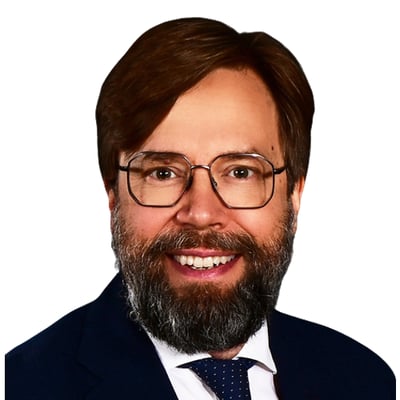
Dr. Kimmo Soramaki
Founder & Chief Executive Officer
FNA
Dr Kimmo Soramäki is the Founder and CEO of FNA, which builds AI-powered infrastructure for safer and more efficient financial systems. FNA's technology is used by over 30 central banks and financial authorities, as well as global banks, to oversee systemic risk, optimise liquidity, and combat fraud.
Kimmo has worked in and with central banks for almost 30 years. He began at the Bank of Finland in 1997, where he developed the payment system simulator the Bank distributes to this day. He worked at the European Central Bank during the euro changeover, and at the Federal Reserve Bank of New York and the Bank of England through the global financial crisis. His research has helped establish network analysis as a supervisory discipline, and he was the founding Editor-in-Chief of the Journal of Network Theory in Finance.
Kimmo serves on the advisory board of the Global Anti-Scam Alliance and contributes to BIS, IMF, World Bank, and G20 forums on payments, fraud, and financial stability.
He holds a Doctor of Science in Operations Research from Aalto University in Helsinki.
Interventions lors du Sommet
-
1:30–3:00pmlun. 16 nov.RoundtableOpen
Bakong - Sovereign Rails
Who Owns the Rails? Governance, Access and the Economics of Shared Infrastructure
À propos de cette session
Shared payment infrastructure creates value precisely because competitors use the same network, but that makes ownership and funding contentious. Banks may resist paying for infrastructure used by newer competitors. Fintechs may resist access terms controlled by incumbents. Governments may finance the network and still face pressure over unequal access or rising operating costs. Different markets have taken different approaches, including central-bank ownership, industry-owned switches and open-source infrastructure. The roundtable compares these models through three questions: who owns the rail, who gets access and on what terms, and who pays to maintain and upgrade it. It then examines how those choices change once infrastructure crosses borders and sovereignty becomes shared rather than purely national.

