

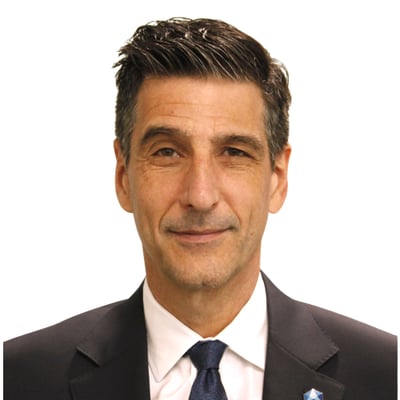
Jean-Pierre (JP) Gagnon
Chief Executive Officer
Kardal PLC
Jean-Pierre (JP) Gagnon is an international banking and fintech executive with over 25 years of experience across Asia, Europe, and the Americas. Formerly Deputy CEO of Sathapana Bank in Cambodia, he previously led fintech and payment ventures in Vietnam, the Philippines, and Spain, including beFinancial, a precursor to Cake Digital Bank.
Recognized among Cambodia’s Top 30 International Voices in Finance (2024), JP was also named Payments Infrastructure Innovation CEO of the Year 2026 (Southeast Asia) by APAC Insider. Under his leadership, Kardal received the AI-Driven Unified Payments Platform Excellence Award 2026, building on a career marked by 12 Visa and Mastercard innovation awards.
As CEO of Kardal PLC, JP is leading the development of shared payment infrastructure under the National Bank of Cambodia’s regulatory sandbox framework, enabling banks and fintechs to access international payment networks while advancing Cambodia’s position as a regional hub for financial innovation.
Interventions lors du Sommet
-
1:30–3:00pmlun. 16 nov.RoundtableOpen
Bakong - Sovereign Rails
Who Owns the Rails? Governance, Access and the Economics of Shared Infrastructure
À propos de cette session
Shared payment infrastructure creates value precisely because competitors use the same network, but that makes ownership and funding contentious. Banks may resist paying for infrastructure used by newer competitors. Fintechs may resist access terms controlled by incumbents. Governments may finance the network and still face pressure over unequal access or rising operating costs. Different markets have taken different approaches, including central-bank ownership, industry-owned switches and open-source infrastructure. The roundtable compares these models through three questions: who owns the rail, who gets access and on what terms, and who pays to maintain and upgrade it. It then examines how those choices change once infrastructure crosses borders and sovereignty becomes shared rather than purely national.

