
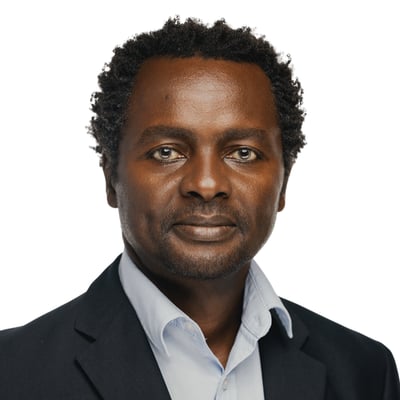
Tullo Ndunda
Adopter Support Manager
Mojaloop Foundation
Tullo helps Mojaloop adopters (central banks and hub operators) in their planning, deployment and operations, aligning the support they need and creating the networks needed for successful Mojaloop adoption. He has been in the tech space since 2007 having a varied background in systems administration, security operations and service delivery, and enjoys operating at the intersection of technology, people, and business.
Speaking at the summit
-
10:40–11:25amMon 16 NovForum StageOpenModerator
Chaktomuk - Rails Across Borders
From Sandbox to Scale: What Does It Take for Financial Innovation to Become Infrastructure?
About this session
A sandbox can show that a financial product works under controlled conditions. It does not prove that the product can survive licensing, integrate with existing institutions, win customer trust or expand into another jurisdiction. The harder question is what happens after testing ends. The panel examines the conditions that should allow an innovation to move from experiment to licensed market participant, including infrastructure access, capital, governance and regulatory readiness. It also explores a more difficult possibility: whether successful testing in one credible jurisdiction can reduce the cost of entering another, and what regulators would need to recognise in each other's processes before regulatory portability becomes possible.
-
1:30–3:00pmMon 16 NovRoundtableOpen
Bakong - Sovereign Rails
Who Owns the Rails? Governance, Access and the Economics of Shared Infrastructure
About this session
Shared payment infrastructure creates value precisely because competitors use the same network, but that makes ownership and funding contentious. Banks may resist paying for infrastructure used by newer competitors. Fintechs may resist access terms controlled by incumbents. Governments may finance the network and still face pressure over unequal access or rising operating costs. Different markets have taken different approaches, including central-bank ownership, industry-owned switches and open-source infrastructure. The roundtable compares these models through three questions: who owns the rail, who gets access and on what terms, and who pays to maintain and upgrade it. It then examines how those choices change once infrastructure crosses borders and sovereignty becomes shared rather than purely national.

