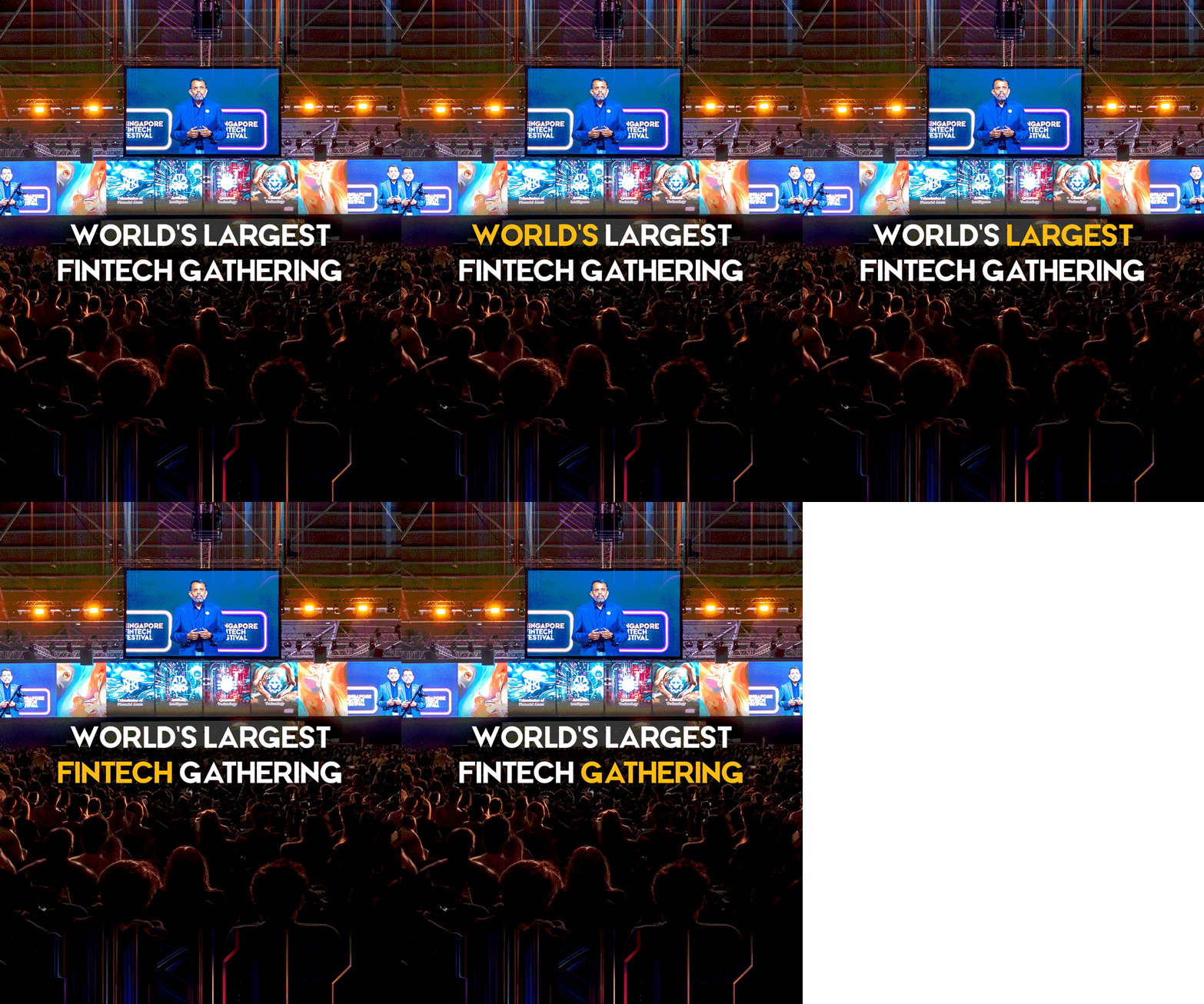

Shaping the Next Decade of Growth

Join us to celebrate the past decade - and shape the next chapter in the future of finance at the Singapore FinTech Festival 2025.

The United States continues to lead FinTech investment funding with US$83.2B raised in 9M 2025 representing 85% of global value.
We collaborate with governments on policies and infrastructure to build better financial systems
We connect the global community to develop responsible digital transformation and grow mindshare
We upskill talent for the evolving financial ecosystem
We mobilise venture capital for innovation
An insider's perspective from practitioners, policymakers and industry players.
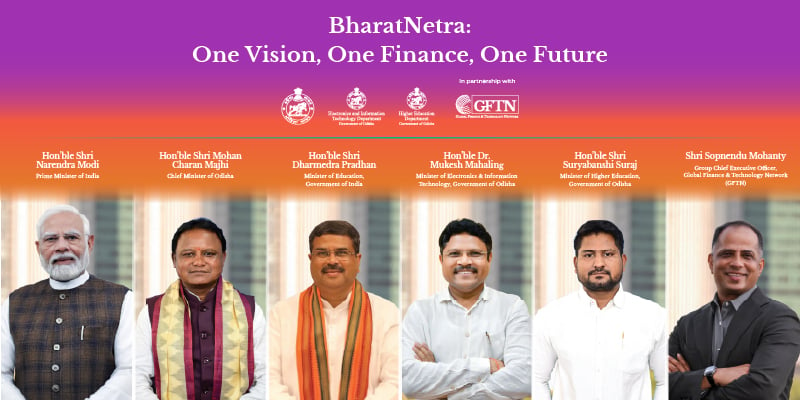
Odisha, India
The Forum aims to convene the FinTech and InsurTech community, including startups, corporates, investors, regulators, and academics, to foster collaboration, business growth, and policy innovation. It serves as a launchpad for emerging ventures through investor networking and matchmaking, driving thought leadership on regulatory and digital transformation.
The Global Finance & Technology Network (GFTN) is a not-for-profit organisation established by the Monetary Authority of Singapore (MAS) in 2024 to harness technology and foster innovation for more efficient, resilient, and inclusive financial ecosystems through global partnerships. GFTN organises convening forums, offers advisory services on innovation ecosystems, provides access to transformative digital platforms, and invests in technology startups with the potential for growth and positive social impact through its venture fund.
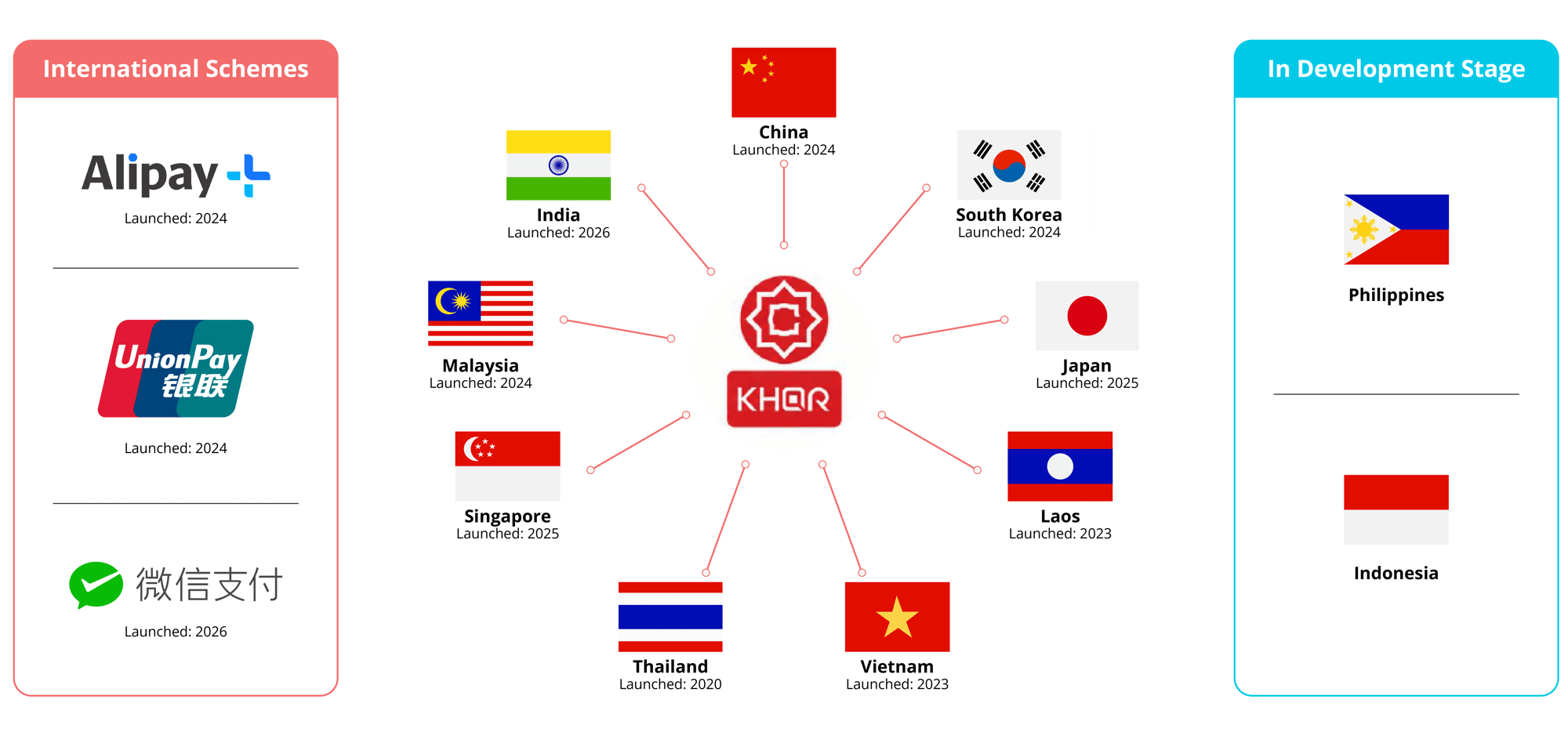
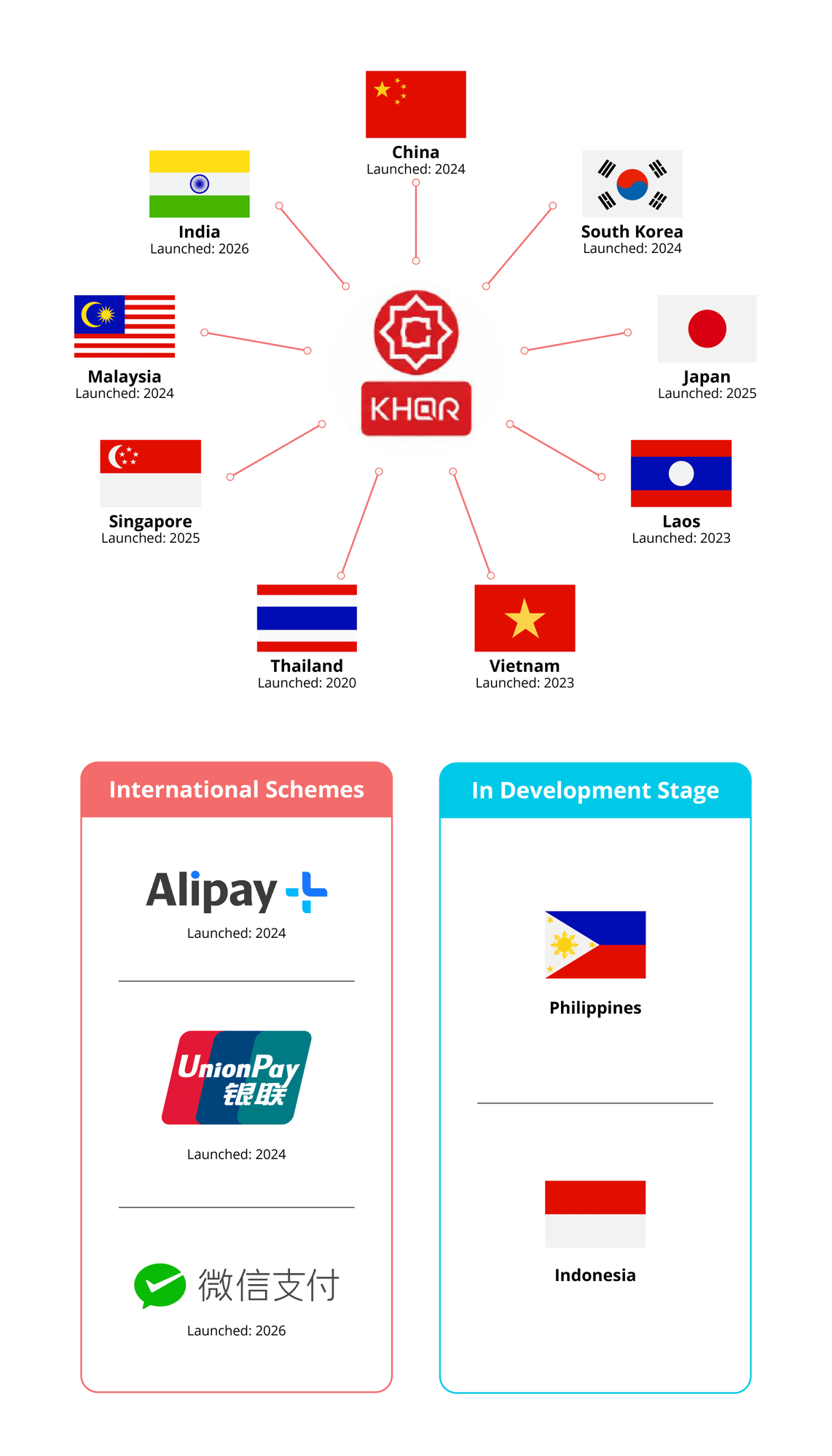
Since Bakong launched in 2020, it has reshaped Cambodia’s payment landscape - processing 1.3 billion transactions in 2025 and over US$147 billion since inception. Interbank settlement that used to take 1–3 business days now clears in under 3 seconds, in both riel and US dollars, while KHQR connects 60+ financial institutions through one interoperable QR standard. Bakong is no longer just a payment system - it is Cambodia’s digital financial backbone.
Account ownership among Cambodian adults rose from 59% in 2017 to 67% in 2021 to 78% in 2024 (World Bank Global Findex) - with Bakong bringing an estimated 60% of the population into the digital financial fold. 98% of Cambodian businesses are SMEs - the direct beneficiaries of that shift.


PromptPay
Live, two-way (riel ↔ baht)
VietQR
Live, Mekong corridor
Lao QR
Live, via ACLEDA/LAPNet
DuitNow
Live, two-way under RPC (2025)
UnionPay / Alipay+ / Weixin Pay
Live + Weixin MOU (SFF 2025)
QR interoperability
Linked, MOU since 2023
Cross-border QR
Live via KHQR
RoamQR (Liquid Group)
Launched at SFF, Nov 2025
UPI linkage
In progress
Cambodia turned its two biggest constraints - dollarisation and fragmentation - into the world's first blockchain-based national payment system at scale. The model is simple to state and hard to copy: sovereign control held at the permissioned core, with an open, neutral network layer built on top that no single country can withdraw - unlike the correspondent-banking channels francophone markets currently depend on.
Bakong is the working version. It isn't a one-off: Soramitsu, the technology partner behind Bakong's architecture, is already replicating the same sovereign-core, shared-standard model with central banks across the Pacific.
Francophone finance is under real pressure: the CFA franc arrangement is politically strained, and the correspondent-banking channels carrying the region's cross-border payments are withdrawing. The institutions - sovereign central banks, the Code Civil legal tradition, OHADA's unified commercial law - are sound. What's exposed is the network layer underneath, and that's exactly what Cambodia's model replaces.